


Horse Cloning
- Services we offer:
Horse cloning with Ovoclone
At Ovoclone, science and technology come together to make horse cloning possible, allowing you to genetically replicate your favorite equine. This innovative service offers breeders and owners the opportunity to preserve and extend the genetics of elite horses.
What is equine cloning?
Horse cloning is a technique of asexual assisted reproduction that allows the creation of a foal genetically identical (99.99%) to the original horse.
At Ovoclone, no genes are modified: the donor animal’s nuclear DNA is replicated. The cloned foal shares the same genetic basis and physical predisposition, although its performance and temperament will also depend on the environment, handling, and training it receives.
Benefits of equine cloning
At Ovoclone, horse cloning is a strategic tool for breeders and elite horse owners:
- Preservation of champions’ genetics
We preserve and replicate the DNA of horses with proven competitive abilities, ensuring the continuity of their sporting qualities.
- Recovery of high-value specimens
We offer a viable alternative to recover horses that have died suddenly, have been castrated, or have lost their reproductive capacity.
- Obtain new stallions from castrated horses
Thanks to cloning, it is possible to have a new stallion genetically identical to a horse that has already been castrated.
- Increase the production of breeding stallions
We make it possible to obtain several specimens with the same genetic profile, multiplying the availability of high-level breeding stallions.
- Breed with already proven genetics
We reduce the uncertainty of traditional breeding by ensuring previously demonstrated sporting, reproductive, and health traits.
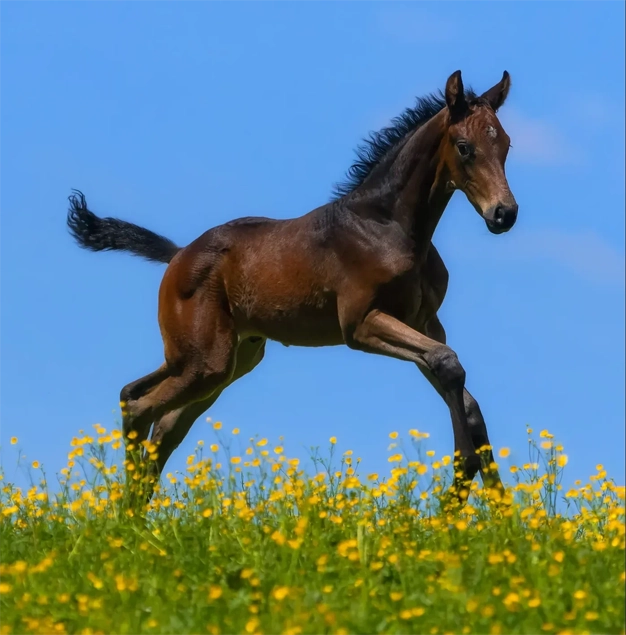
The cloning process step by step
At Ovoclone, equine cloning is a highly specialised procedure that requires the collaboration of veterinarians and embryologists, always under animal welfare and quality protocols.
Collection of the biological sample
A small skin biopsy (2–4 mm) is taken, usually from the neck area, under sterile conditions. This sample contains the donor horse’s DNA and serves as the basis to initiate the entire process.
Cell culture and cryopreservation
In the laboratory, the tissue is processed to multiply the cells (fibroblasts), which carry the animal’s complete genetic information. Once the required quantity is obtained, these cells are preserved in liquid nitrogen at –196 °C, maintaining their viability indefinitely in Ovoclone’s genetic bank.
Somatic cell nuclear transfer (SCNT)
Oocytes from a donor mare are selected and their nucleus is removed (enucleation). The nucleus of the somatic cells from the horse to be cloned is inserted into these enucleated oocytes. Through an electrical stimulus, the reconstructed oocyte is activated, initiating its embryonic development.
Embryonic development and transfer to the recipient mare
The activated oocyte begins to divide and form an embryo. Once it reaches the appropriate stage, the cloned embryo is transferred into the uterus of a recipient mare, which will carry the pregnancy naturally.
Birth and veterinary monitoring of the clone
The cloned foal is born after a normal gestation period. At Ovoclone, thorough veterinary checks are carried out at every stage to ensure the health and welfare of both the foal and the recipient mare.
Frequently asked questions about horse cloning
Will the cloned foal be identical in temperament and performance?
Genetically yes, but its development will also depend on training, handling, and environment.
Can castrated stallions or mares be cloned?
Yes. A viable skin biopsy is enough to obtain the necessary DNA.
What type of sample is needed and when should it be taken?
Refrigerated skin is used. In deceased animals, the sample must be taken within the first 24–72 hours and kept refrigerated, never frozen.
What risks or limitations does cloning have?
The success rate depends on the quality of the sample, the health of the recipient mare, and the laboratory’s experience. This is why strict animal welfare and control protocols are applied.
Can clones compete and be officially registered?
In most international disciplines (show jumping, polo, eventing), clones can compete and reproduce in compliance with current regulations.
How long does the cloning process take?
Between 1 and 3 years, depending on cell culture times, cryopreservation, recipient mare preparation, and gestation.
What happens if I decide not to clone after storing the genetic sample?
Cells can remain viable for years in the genetic bank, allowing you to preserve that “biological insurance” to decide later on.
Contact
At Ovoclone, we bring together science and biotechnology to preserve the future of elite equine genetics.
Request information today and discover how we can help you clone your horse and keep its sporting and reproductive legacy alive.
Contact form

Cat Cloning
